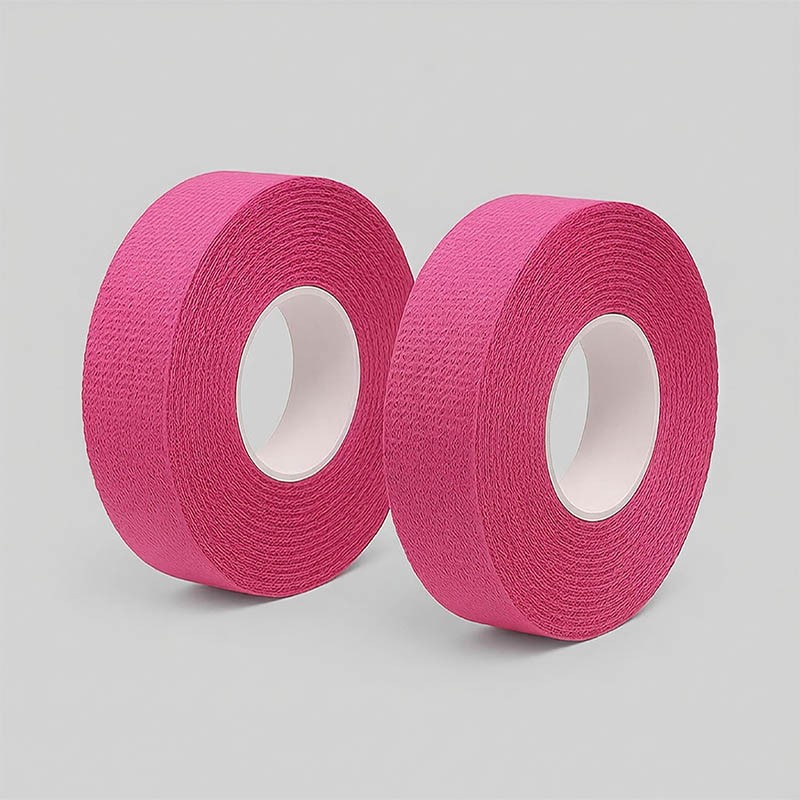

Climbing Finger Tape

What Is Climbing Finger Tape?
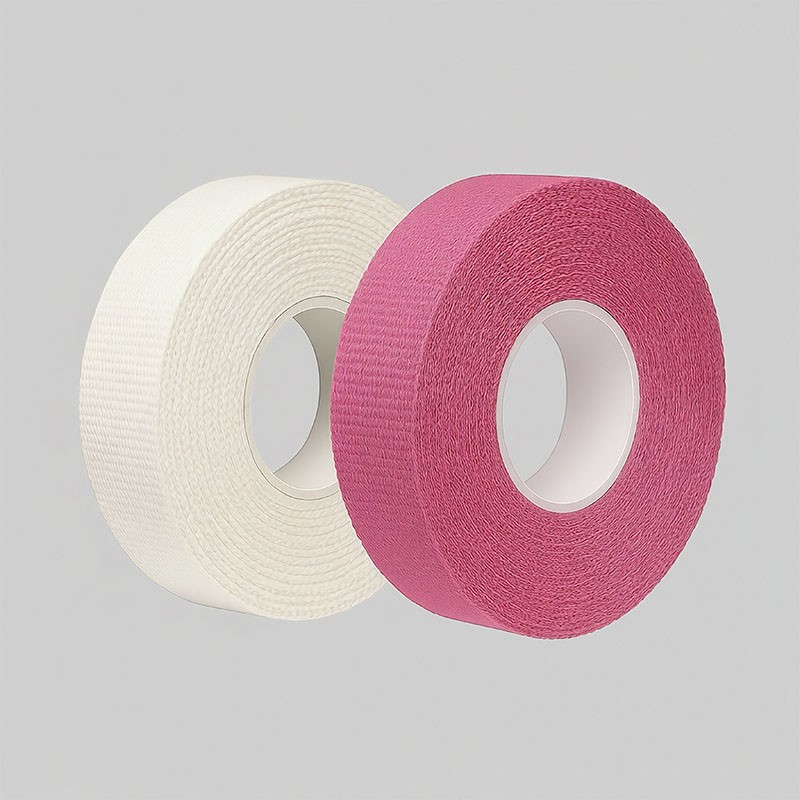
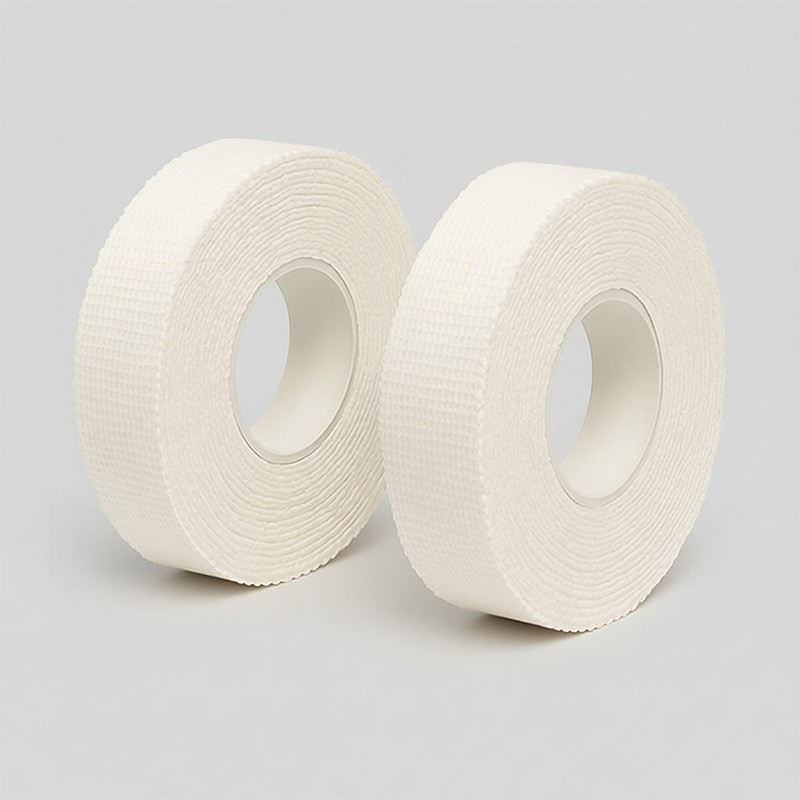
Climbing finger tape is a specialized adhesive tape designed for finger protection and support during rock climbing, bouldering and climbing training.
Unlike general athletic tape, climbing finger tape is designed for narrow finger-level applications where flexibility, adhesion, easy application and comfortable skin contact are important. Climbers commonly use finger tape to create an additional protective layer over areas exposed to repeated friction from climbing holds, training equipment and climbing surfaces.
Onlywell climbing finger tape is developed for climbers, climbing gyms, sports retailers, climbing brands and private-label sports product suppliers.
Common applications include:
- Finger skin protection
- Finger joint support
- Protection from repeated friction
- Climbing and bouldering training
- Indoor climbing
- Outdoor rock climbing
- Climbing gym applications
Climbing Finger Tape Product Features
Climbing places repeated demands on the fingers. Climbers may frequently grip small edges, crimps, slopers, pinches and other climbing holds, creating friction and pressure on the skin and finger joints.
Onlywell climbing finger tape is designed to provide practical protection while allowing normal finger movement.
Key features include:
- Reliable skin adhesion
- Flexible fabric construction
- Comfortable skin contact
- Easy tearing and application
- Suitable width for finger wrapping
- Compact roll design
- Consistent tape performance
- Custom sizes and packaging available
The tape can be applied to individual fingers, finger joints or selected areas of the hand according to the intended climbing application.
Climbing Finger Tape for Rock Climbing
Rock climbing requires climbers to repeatedly use their fingers for gripping, pulling and maintaining contact with climbing holds. Finger tape for rock climbing can provide an additional protective layer between the skin and external surfaces. It is particularly useful during repeated climbing sessions when certain areas of the fingers are exposed to friction.
Typical uses include:
Finger Skin Protection
Climbing holds can create repeated friction against fingertips and finger joints. Climbing finger protection tape can help cover areas that require additional protection during climbing activities.
Finger Joint Support
Some climbers use finger tape around a finger joint when additional external support is desired during training or climbing.
The amount of support depends on the taping method, tape construction and application technique.
Climbing Training
During high-frequency climbing training, climbers may apply finger tape before or during a session to provide additional protection to areas exposed to repeated contact.
Outdoor Rock Climbing
For outdoor climbing, a compact roll of finger tape is convenient to carry in a climbing bag and can be quickly applied when additional protection is needed.
Climbing Finger Tape for Bouldering
Bouldering involves short, powerful climbing movements and frequent gripping of climbing holds. Compared with longer climbing routes, bouldering sessions may involve repeated attempts on the same problem, creating repeated contact between fingers and holds.
Bouldering finger tape can be used for:
- Finger skin protection
- Finger joint support
- Repeated training sessions
- Indoor bouldering
- Outdoor bouldering
- Climbing gym applications
For bouldering, climbers generally prefer tape that combines secure adhesion with sufficient flexibility for finger movement. Onlywell can provide climbing finger tape specifications according to the requirements of climbing brands, distributors and private-label customers.
Climbing Finger Tape for Different Climbing Applications
Different climbing holds create different contact patterns on the fingers. The appropriate tape application can therefore depend on the climbing style and intended use.
Crimp Holds
Crimp climbing places the fingers on relatively small edges and requires concentrated finger contact. Climbers may use finger tape to provide additional protection to areas exposed to repeated friction.
Sloper Holds
Slopers require broader hand contact and friction-based gripping. Flexible finger tape can provide protection while maintaining comfortable finger movement.
Pinch Holds
Pinch movements require the fingers and thumb to generate gripping force from opposite directions. Finger tape can be used to protect areas exposed to repeated contact.
Small Edges
Repeated training on small edges can create friction and pressure on the fingers. Climbing finger tape provides an additional physical layer over selected areas.
Indoor Climbing
Indoor climbing gyms provide frequent opportunities for training. Finger tape can be kept in a climbing bag and applied when needed during repeated sessions.
Outdoor Rock Climbing
Outdoor climbing may involve different rock textures and climbing surfaces. Compact finger tape is convenient for climbers who need quick finger protection during an outdoor session.
Crack Climbing
Crack climbing can expose fingers and hands to repeated contact with rock surfaces. Tape may be used as part of a climber's hand and finger protection approach.
Climbing Finger Tape Material Options
Material selection affects tape strength, flexibility, comfort and application performance.
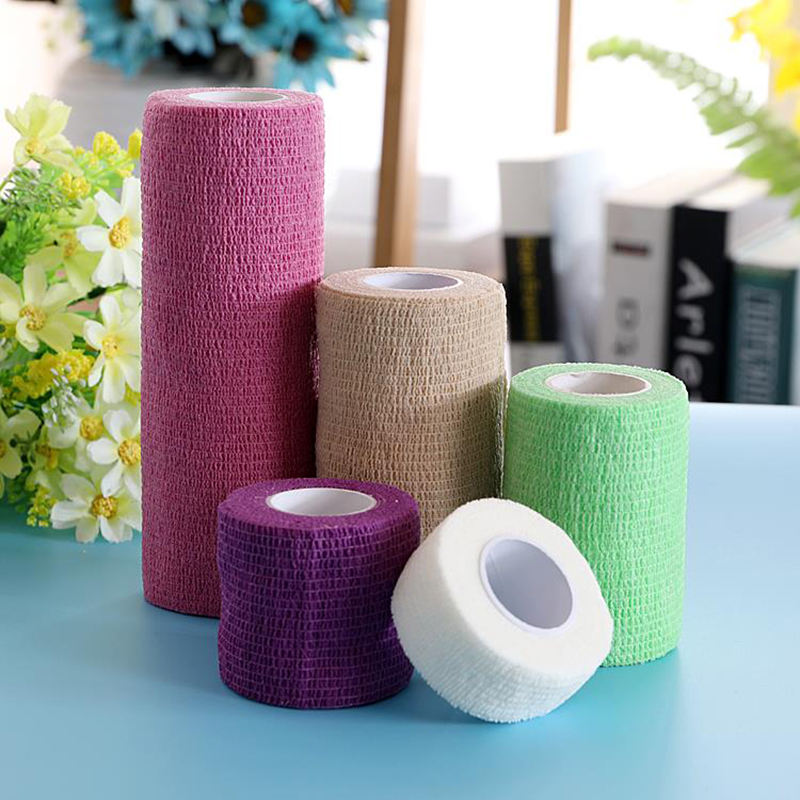
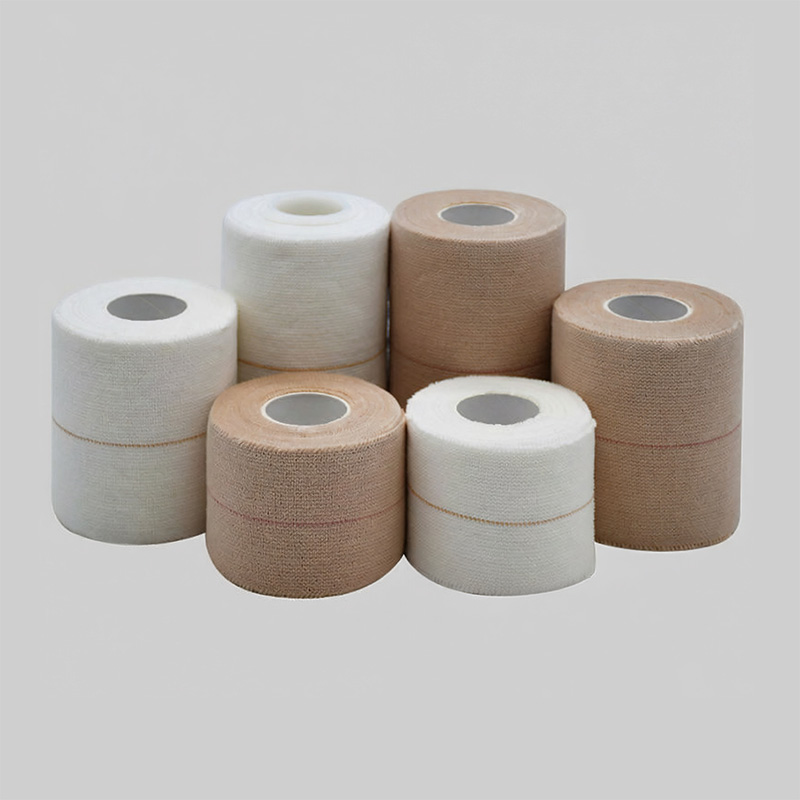
Cotton Climbing Finger Tape
Cotton is a commonly used fabric material for finger tape because it provides a stable structure and comfortable skin contact.
Features include:
- Good tensile strength
- Comfortable fabric surface
- Easy tearing
- Stable wrapping performance
- Suitable for climbing applications
Cotton climbing finger tape is suitable for rock climbing, bouldering, climbing training and finger protection.
Elastic Climbing Finger Tape
Elastic constructions provide additional flexibility for applications where finger movement is important.
Features include:
- Flexible construction
- Good adaptation to movement
- Comfortable application
- Suitable for dynamic climbing activities
Elastic finger tape can be considered for climbing training and applications where flexibility is a priority.
Synthetic Fiber Climbing Tape
Synthetic fiber materials can provide a lightweight and stable structure for frequent climbing applications.
Potential advantages include:
- Lightweight construction
- Stable performance
- Smooth surface
- Suitable for frequent use
Material availability can be customized according to customer requirements and product specifications.
Climbing Finger Tape Specifications
| Parameter | Specification |
|---|---|
| Product Type | Climbing Finger Tape |
| Main Application | Rock Climbing / Bouldering / Finger Protection |
| Material | Cotton / Elastic Fiber / Synthetic Fiber |
| Adhesive | Acrylic Adhesive |
| Width Options | 1.25cm / 2.5cm / Custom |
| Length Options | 5m / 10m / Custom |
| Color Options | White / Skin / Black / Custom |
| Packaging | Roll / Retail Box / Custom Packaging |
| Printing | Custom Logo / Custom Design |
| OEM | Available |
| Private Label | Available |
Specifications can be adjusted according to the requirements of climbing brands, distributors, climbing gyms and sports retailers.
How to Use Finger Tape for Climbing
Climbing finger tape should be applied according to the intended purpose and the area requiring protection.
For Finger Skin Protection
Clean and dry the skin before application. Cut or tear the required length of tape and apply it smoothly over the selected area.
The tape should be applied securely without excessive tension.
For Finger Joint Support
When finger tape is used around a finger joint, apply it carefully according to the intended support technique.
The tape should not be applied so tightly that it causes excessive pressure, discomfort or restricted circulation.
During Climbing Training
Some climbers apply finger tape before a training session when they expect repeated contact or friction. Tape should be replaced if it becomes loose, damaged or excessively wet. Finger tape is intended to provide protection and support; it should not be considered a substitute for appropriate climbing technique, injury management or professional medical advice.
Climbing Finger Tape vs Regular Sports Tape
Climbing finger tape and general sports tape can both provide external support, but they are designed for different application requirements.
Climbing finger tape is specifically intended for narrow finger-level applications where compact size, flexibility, tearability and comfortable skin contact are important.
General sports tape is more commonly used for broader athletic applications such as joint stabilization, athletic support and sports protection.
For climbing applications, a dedicated climbing finger tape can provide a more convenient format for wrapping individual fingers and finger joints. This distinction also makes climbing finger tape a specialized product category for climbing brands and sports retailers.
Why Climbers Use Finger Tape
The fingers play a central role in climbing performance. Climbers frequently use their fingers to grip, pull and maintain contact with holds. During repeated climbing sessions, the skin may experience friction and mechanical contact. Finger tape provides a simple way to create an additional physical layer over selected areas.
Climbing finger tape is particularly convenient because it can be:
- Carried easily in a climbing bag
- Quickly torn and applied
- Applied to individual fingers
- Used during indoor or outdoor climbing
- Combined with different climbing training routines
For climbing brands, consistent tape quality and convenient packaging are also important considerations when developing a private-label climbing accessory.
Climbing Finger Tape Applications
| Application | Recommended Use |
| Rock Climbing | Finger protection |
| Bouldering | Finger protection and support |
| Indoor Climbing | Training and repeated climbing |
| Outdoor Climbing | Finger and skin protection |
| Climbing Gym | Training and recreational use |
| Finger Training | Additional protection |
| Climbing Competition | Convenient finger protection |
| Crack Climbing | Hand and finger protection |
| Sports Retail | Climbing accessory products |
Climbing finger tape can be supplied for both consumer retail and professional B2B product programs.
Climbing Finger Tape Quality Control
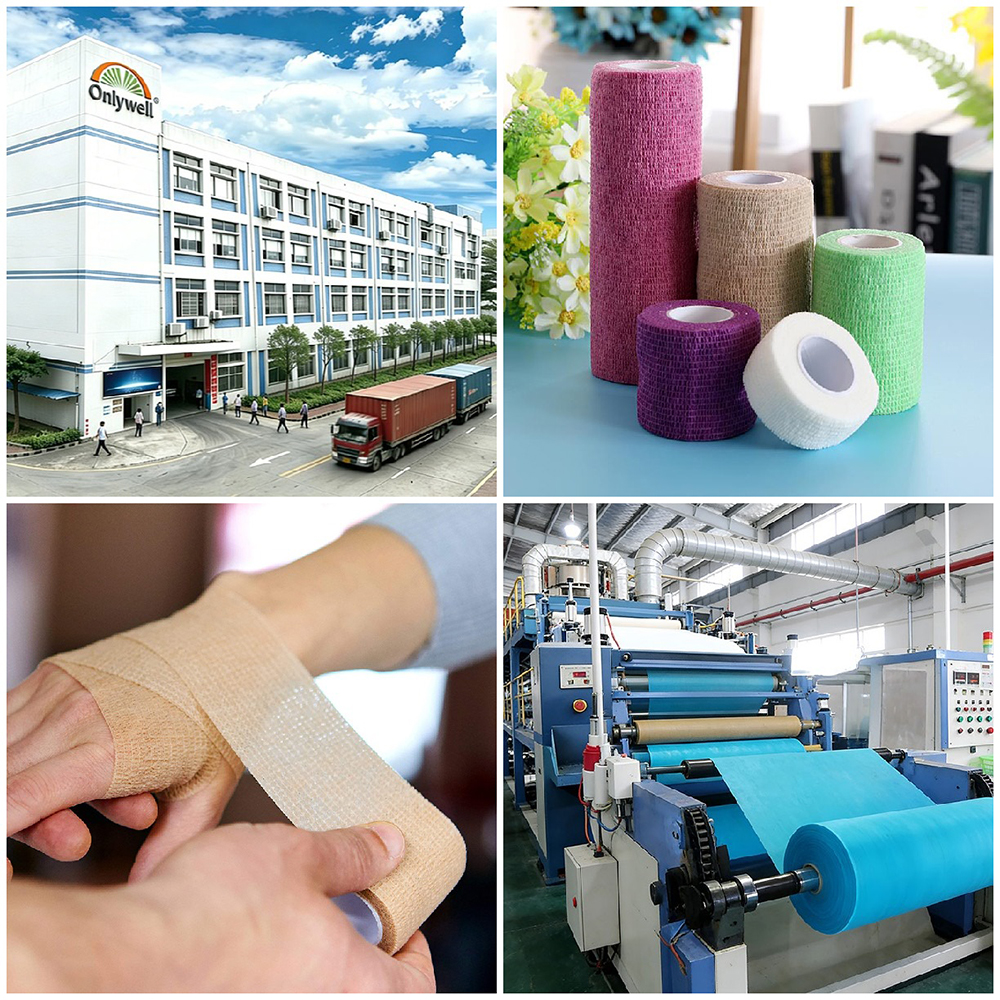
Onlywell applies quality control procedures throughout the manufacturing process to help maintain consistent product specifications.
Quality inspection may include:
- Raw material inspection
- Fabric structure inspection
- Adhesive performance testing
- Adhesion testing
- Tensile strength testing
- Width verification
- Length verification
- Roll quality inspection
- Packaging inspection
Consistent production control is important for climbing brands and distributors that require repeatable product quality across different production batches.
Climbing Finger Tape Customization
Onlywell provides OEM and private-label customization for companies developing their own climbing finger tape products.
Available customization options can include:
- Custom tape width
- Custom tape length
- Custom colors
- Logo printing
- Custom roll design
- Custom labels
- Retail packaging
- Barcode integration
- Private-label packaging
Climbing finger tape can be developed according to the target market, product positioning and packaging requirements of the customer.
For customers looking for broader sports support tape manufacturing capabilities, visit our Sports Tape Manufacturer page.
What to Consider When Sourcing Climbing Finger Tape
For climbing brands and distributors, selecting a suitable supplier involves more than choosing tape material.
Important sourcing factors include:
Material Consistency
Consistent fabric structure can help maintain stable tape performance across production batches.
Adhesive Performance
Reliable adhesion is important because climbing involves repeated finger movement and contact with climbing holds.
Tape Width
Narrower widths can be convenient for individual fingers, while wider options may provide greater coverage for specific applications.
Tearability
Easy tearing allows climbers to prepare tape quickly without requiring additional cutting tools.
Roll Length
Different roll lengths can be developed for consumer products, professional climbing use or retail programs.
Packaging
Retail-ready packaging can improve product presentation and help climbing brands create a consistent product range.
Private Label Capability
For climbing brands, the ability to customize tape specifications, logo printing and packaging can simplify the development of a private-label climbing product.
How to Choose Climbing Finger Tape
Choosing the right climbing finger tape depends on the climbing activity, application purpose and personal preference.
Consider the Application
Determine whether the primary purpose is finger skin protection, finger joint support, climbing training or general climbing use.
Consider the Material
Cotton, elastic and synthetic fiber constructions can provide different combinations of strength, flexibility and comfort.
Consider the Width
The tape width should be appropriate for the finger or application area. Narrow tape is generally convenient for individual finger applications.
Consider Adhesion
Reliable adhesion is important during climbing because the fingers are continuously exposed to movement and friction.
Consider Comfort
The tape should provide the desired protection while allowing normal finger movement.
Consider Packaging
For retail products, compact rolls and customized packaging can make climbing finger tape easier to carry, display and sell.
FAQ
What is climbing finger tape used for?
Climbing finger tape is commonly used for finger skin protection, finger joint support and additional protection against repeated friction during rock climbing, bouldering and climbing training.
What is the best tape for climbing fingers?
The most suitable climbing finger tape depends on the intended application. Climbers generally look for reliable adhesion, appropriate fabric strength, comfortable skin contact, easy application and sufficient flexibility.
Can you use regular sports tape for climbing?
Regular sports tape may be used for some climbing applications, but climbing finger tape is specifically designed for narrow finger-level applications. Its compact format, tearability and flexibility can make it more convenient for climbing.
What is the difference between climbing finger tape and regular sports tape?
Climbing finger tape is designed primarily for finger-level applications, skin protection and climbing-related support. General sports tape is typically designed for broader athletic applications such as joint stabilization and sports support.
Is climbing finger tape suitable for bouldering?
Yes. Bouldering finger tape can be used during indoor and outdoor bouldering to provide additional protection for fingers and areas exposed to repeated friction.
Can climbing finger tape be used for finger joint support?
Yes. Climbers may use finger tape around a finger joint for additional external support. Application technique and tape tension should be appropriate for the intended use.
Does climbing finger tape help protect finger skin?
Climbing finger tape can create an additional physical layer between the skin and external surfaces, helping protect selected areas from repeated friction during climbing activities.
How wide should climbing finger tape be?
The appropriate width depends on the finger size and intended application. Narrow tape is often convenient for individual fingers, while wider options can provide greater coverage.
Can climbing finger tape be customized?
Yes. Onlywell can provide customization options including material, width, length, color, logo printing and retail packaging according to customer requirements.
Can Onlywell manufacture private-label climbing finger tape?
Yes. Onlywell provides OEM and private-label climbing finger tape solutions for climbing brands, sports distributors, retailers and climbing gyms.
Related Sports Support Products
Explore related Onlywell sports medicine and support products:
Request Climbing Finger Tape Samples
Evaluate Onlywell climbing finger tape for your climbing, bouldering, sports retail or private-label product line.
Contact Onlywell Teams for Further Discussion